
In brief
- Hotel uniforms shape the first impression of the whole house – even before guests see their room.
- Good concepts are based on the hotel's positioning and think in terms of roles rather than one-size-fits-all uniforms.
- Comfort, subtle logo placement and documented reorders turn a purchase into a long-term solution.
Even before guests enter their room, they meet the team at reception, in the breakfast room or over their first drink at the bar. Within a few moments, an impression of the entire house is formed.
Does the team come across as attentive, confident and united? Does its appearance match the atmosphere of the hotel? Or does the clothing look rather randomly put together?
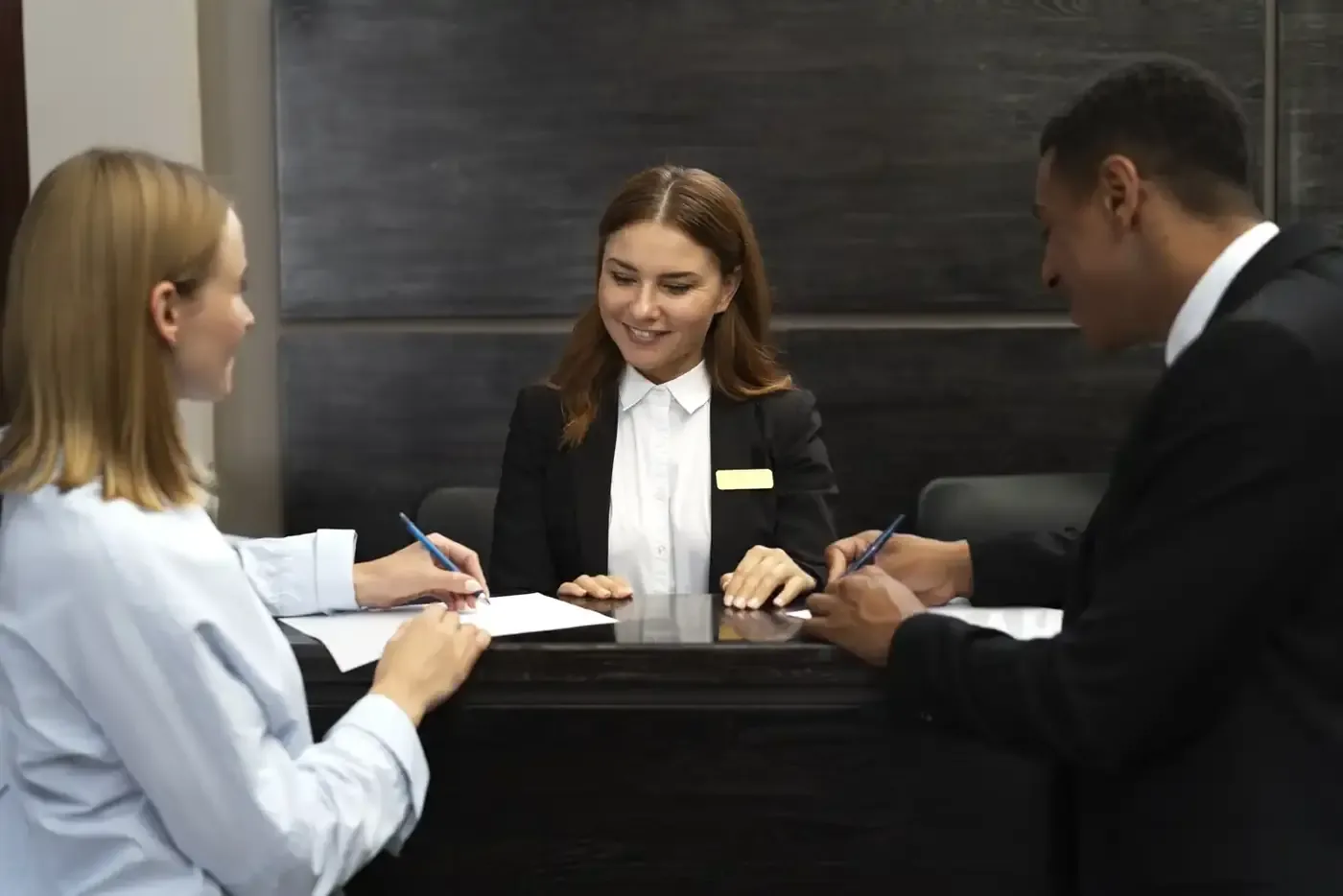
That is why workwear in the hotel industry is far more than practical work equipment. It conveys style, orientation and reliability. At the same time, it has to perform every day: through long shifts, quick movements, frequent washing and changing temperatures. A successful clothing concept combines both – it strengthens the hotel's identity and supports staff in their work.
The team's appearance starts with the hotel's positioning
A design hotel in the city, a family-run hiking hotel and an exclusive wellness resort appeal to different guests. This should also be reflected in what the staff wear.
A hotel with clear, modern architecture can opt for minimal cuts and understated colours. In a hotel steeped in tradition, regional elements can be more visible. A resort with a wellness focus, in turn, needs a calm, high-quality and particularly well-groomed look.
Questions to ask before choosing styles
- What atmosphere should guests feel?
- Which colours and materials define the hotel?
- Should the team look elegant, relaxed, sporty or deliberately regional?
- Which values should be recognisable at first glance?
The clothing does not need to stand out. It should fit the hotel so naturally that it credibly underlines its character.
A shared style does not mean everyone looks the same
Reception, service, kitchen, housekeeping and maintenance have different tasks. That is why it would be neither sensible nor practical to dress all departments identically. Even so, guests should be able to tell who belongs to the hotel.
This is achieved through connecting elements: recurring colours, coordinated materials or consistent logo placement create a sense of belonging without ignoring the specific needs of each area.
- ReceptionBlazer, waistcoat or shirt – polished and confident in direct contact with guests.
- ServiceMatching aprons and polo shirts that keep up with constant movement.
- HousekeepingEasy-care styles with freedom of movement for bending and reaching.
- Kitchen & outdoor areasFunction, durability and temperature regulation come first.
A good concept thinks in roles and combines them into a coherent overall look.
Clothing has to convince for a whole shift – not just at the fitting
Many garments look high-quality on the hanger. Whether they are really suitable only becomes clear in everyday work. In service the team is constantly on the move, housekeeping often works bent over or with wide reaching movements, at reception sitting, standing and guest contact alternate – and in the kitchen, heat and heavy physical strain are added.
What hoteliers should pay particular attention to
- comfortable fabrics for long wearing times
- sufficient freedom of movement
- cuts for different body shapes
- easy-care, shape-retaining materials
- functional pockets and fastenings
- suitable solutions for indoor and outdoor areas
Taking comfort into account is not just an investment in clothing. It creates better conditions for the team to move professionally and confidently.
The logo should complement the clothing, not dominate it
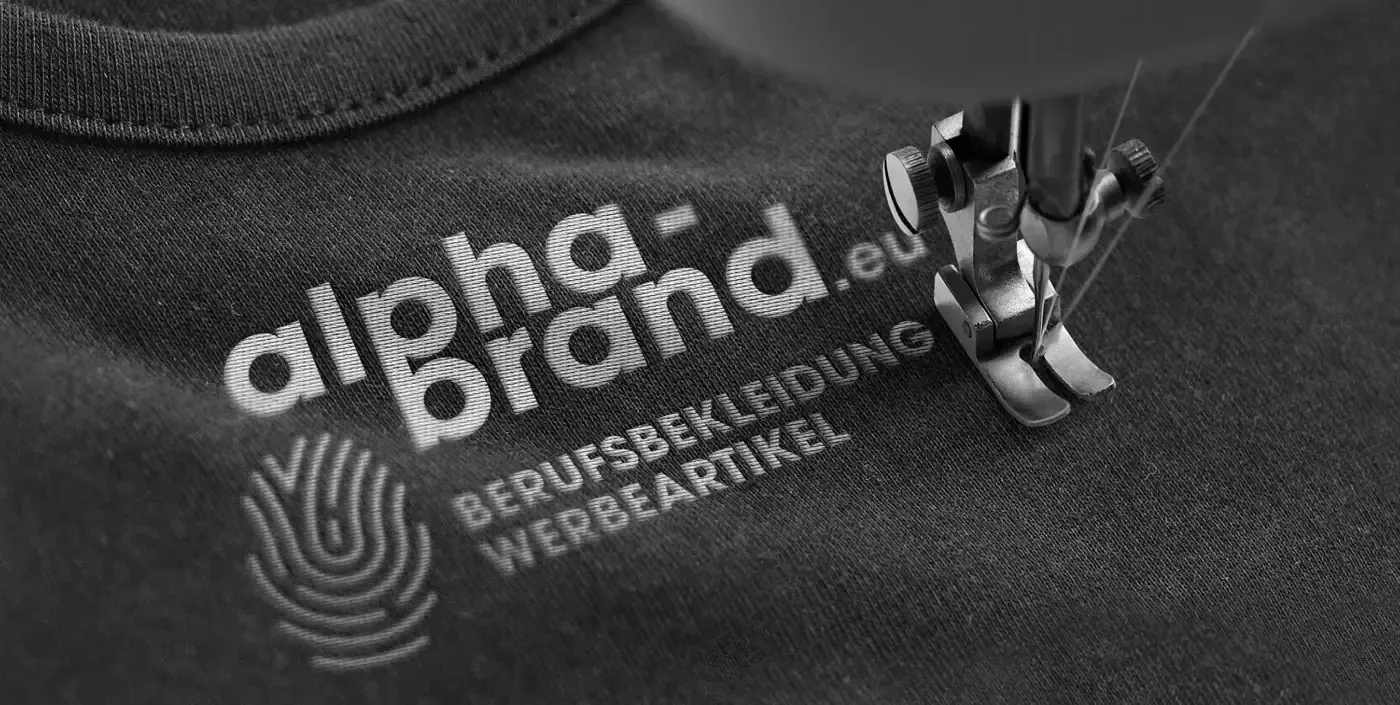
A visible brand provides orientation. But if a logo is too large, too colourful or poorly placed, it can quickly look busy. In an upmarket hotel setting, restraint is often more convincing: subtle embroidery on the chest, a small logo on the sleeve or a carefully matched tone-on-tone decoration often has more impact than large-scale branding. For polo shirts, jackets or outdoor clothing, the design can be bolder depending on the application.
Five questions on logo placement
- Is the logo clearly visible on the fabric colour?
- Does its size suit the garment?
- Do fine lines and small lettering remain legible?
- Which position is practical in daily use and visually coherent?
- Is embroidery or print better suited to your material and design? Find out more in our article Embroidery or print?
Rule of thumb
The best solution does not come from a standard position, but from matching the garment, the area of use and the brand image.
Reorders should not start from scratch every time
Staff changes, new seasonal workers and additional sizes are part of everyday life in many hotels. If styles, colours and logo specifications have to be looked up again for every addition, it costs unnecessary time. It is better to document the clothing concept properly.
What belongs in the documentation
- exact items and style variants
- defined colours
- size charts
- logo placement and size
- decoration technique used
- recommended combinations per department
Equally important is choosing collections that are likely to remain available for longer. This way, new staff can still be kitted out to match the existing team later on – and a one-off purchase becomes a solution that works in the long term.
Does your team's clothing still match your hotel's standards?
Perhaps your existing uniforms have become inconsistent, suitable sizes are missing, styles can no longer be reordered or the look no longer reflects the hotel's current positioning. Then it is worth taking a fresh look at your clothing concept.
Together with Alpha Brand, you get a solution that suits your hotel's style, your staff's tasks and the way your business runs – from choosing styles and decoration to documented reorders.