In brief
- First clarify how they’ll be used: lots of kneeling, tools on you all the time, mainly indoors or outdoors?
- Stretch, well-fitting knee pockets and Cordura reinforcements make the difference between “it’ll do” and “it’s comfortable to wear”.
- Better a few well-fitting models with clear size lists and a plan for reorders – that keeps the look consistent.
Anyone looking for “just a quick pair of work trousers” often only notices the problem a few weeks later: the knees give way, the pockets are in awkward places, the fabric is too heavy in summer or too thin in winter. And in the end you’re back in your old trousers – even though you actually bought new ones.
To avoid this, it pays to take a quick look at how and where the trousers will be used. Work trousers for trades, construction, industry or warehousing and logistics don’t differ because of a logo, but because of details you feel every day on the job.
First the job, then the cut
Work trousers can be rugged – and still uncomfortable. Or they’re comfortable – and then tear exactly where it hurts.
Three questions to help you choose
- Do you spend a lot of time kneeling or working close to the ground?
- Do you carry tools on you all the time or only occasionally?
- Is the work mainly outdoors (weather) or indoors (temperature, workshop)?
This is particularly relevant for businesses in South Tyrol, because conditions often change depending on the location: cool in the morning, warm at midday; sometimes a building site, sometimes a workshop, sometimes a delivery.
Stretch isn’t a luxury – it’s freedom of movement
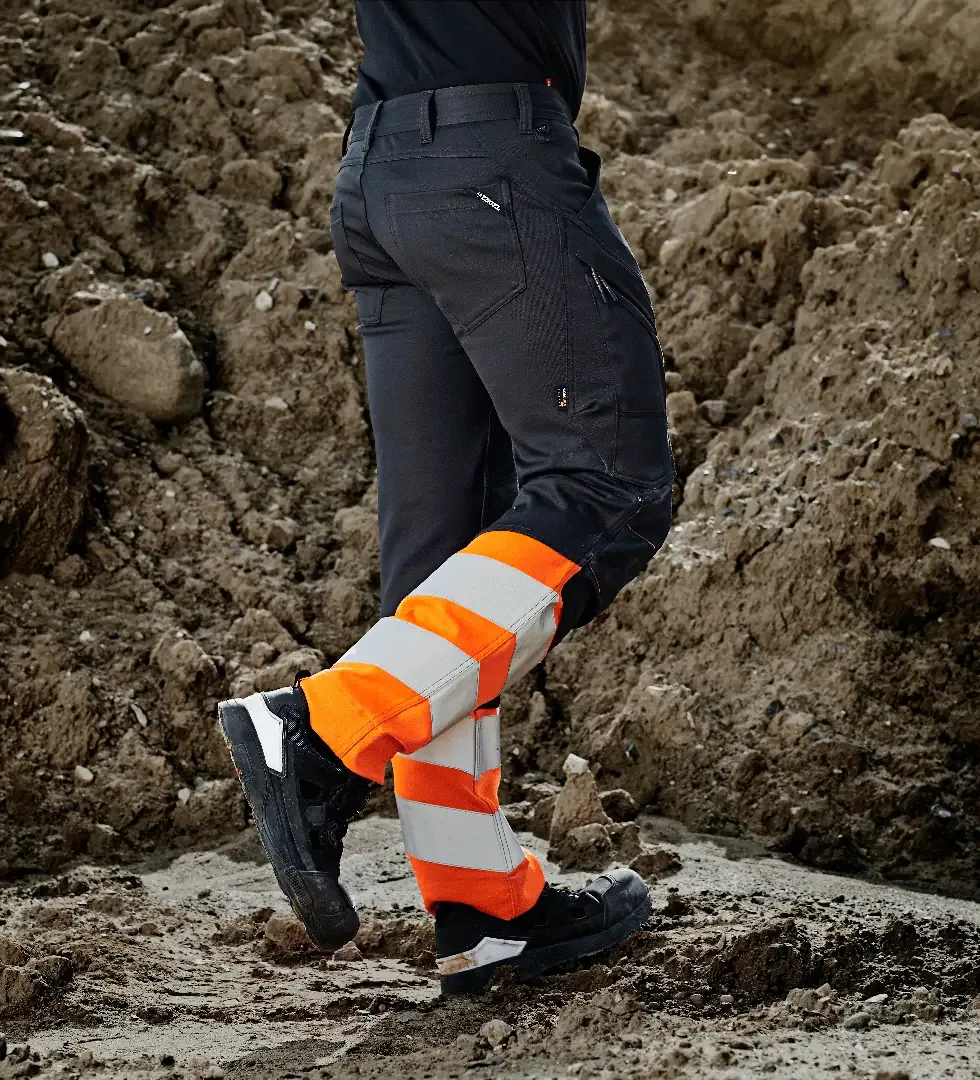
“Stretch work trousers” sounds like a buzzword, but in reality it’s simply practical. If you often climb, kneel, get in and out of vehicles or move around in tight spaces, stretch makes the difference between “it’ll do” and “it’s comfortable to wear”.
Important: stretch doesn’t automatically mean “less rugged”. Good models combine elastic zones where you need mobility – and reinforcements where abrasion occurs.
Knee pockets & knee protection: the underrated upgrade
Anyone who kneels regularly knows the problem: sooner or later your body lets you know. And if the trousers don’t offer a good solution, it quickly becomes uncomfortable.
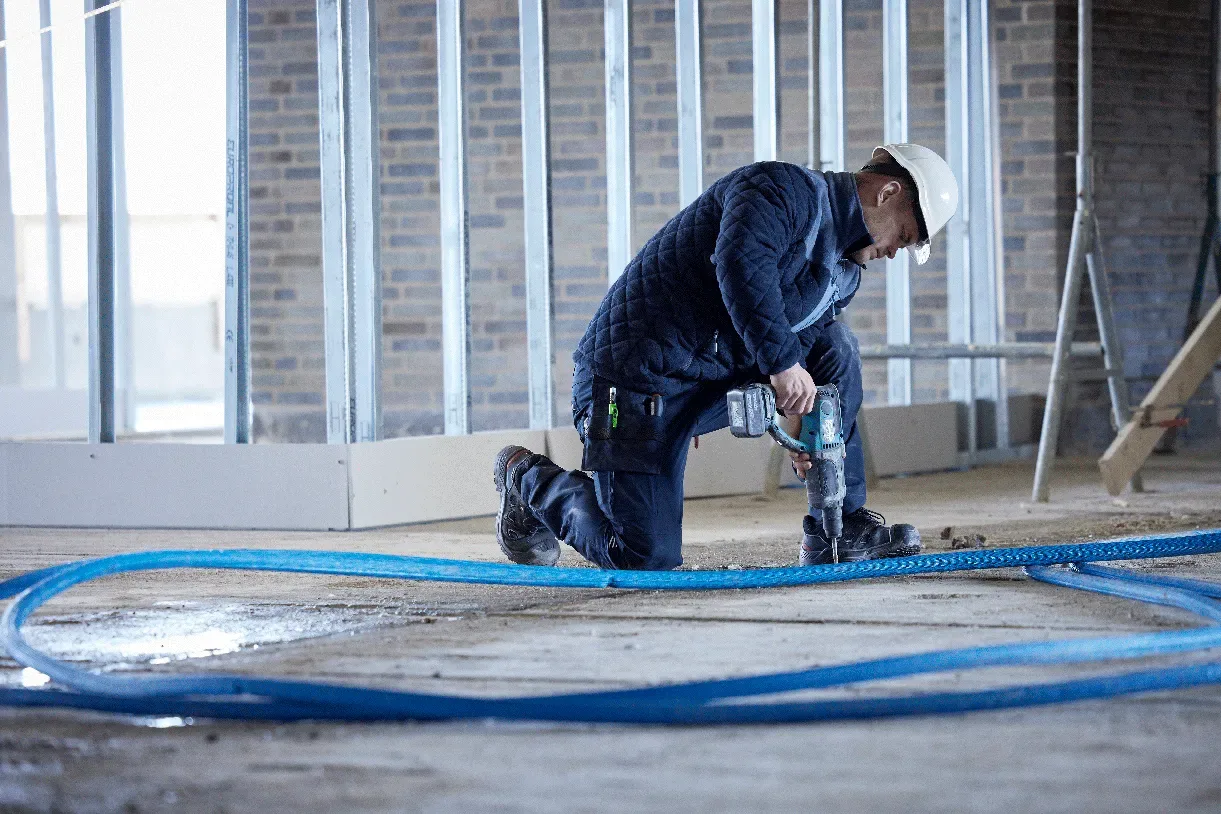
This is where work trousers with knee pockets or reinforced knees are often the best choice – especially in construction, installation and maintenance. It’s even better when the knee pads fit properly and don’t slip.
Underrated detail
The position of the knee pockets. If it doesn’t match your height, even the best knee pad won’t help much. That’s why advice and a fitting are worthwhile here.
Cordura & reinforcements: durability where it counts
When you search for “rugged work trousers”, you usually mean: the fabric should withstand abrasion, the seams should hold, and the trousers shouldn’t be “worn through” after a short time.
That’s why many industrial companies and tradespeople rely on models with Cordura reinforcements – typically at the knees, pockets and high-wear areas. That’s not a marketing gimmick, but simple physics: where there’s friction, you need a material built for it.
Pockets: being organised saves time (and nerves)
“Lots of pockets” isn’t automatically better. The question is: are the pockets where you need them? And are they designed so that nothing falls out or gets in the way?
For industry, warehousing and logistics, solutions that are quick to reach without constantly getting caught are often the right choice. On building sites or in the trades, on the other hand, pockets and holders for tools are often worth their weight in gold.
Summer, winter, workshop: the right fabric weight makes the difference
South Tyrol isn’t the same everywhere – and neither is your workplace. If you work outdoors in summer, you don’t want to be stuck in fabric that’s too heavy. If you work in winter or in cold halls, on the other hand, you need protection without the trousers becoming stiff.
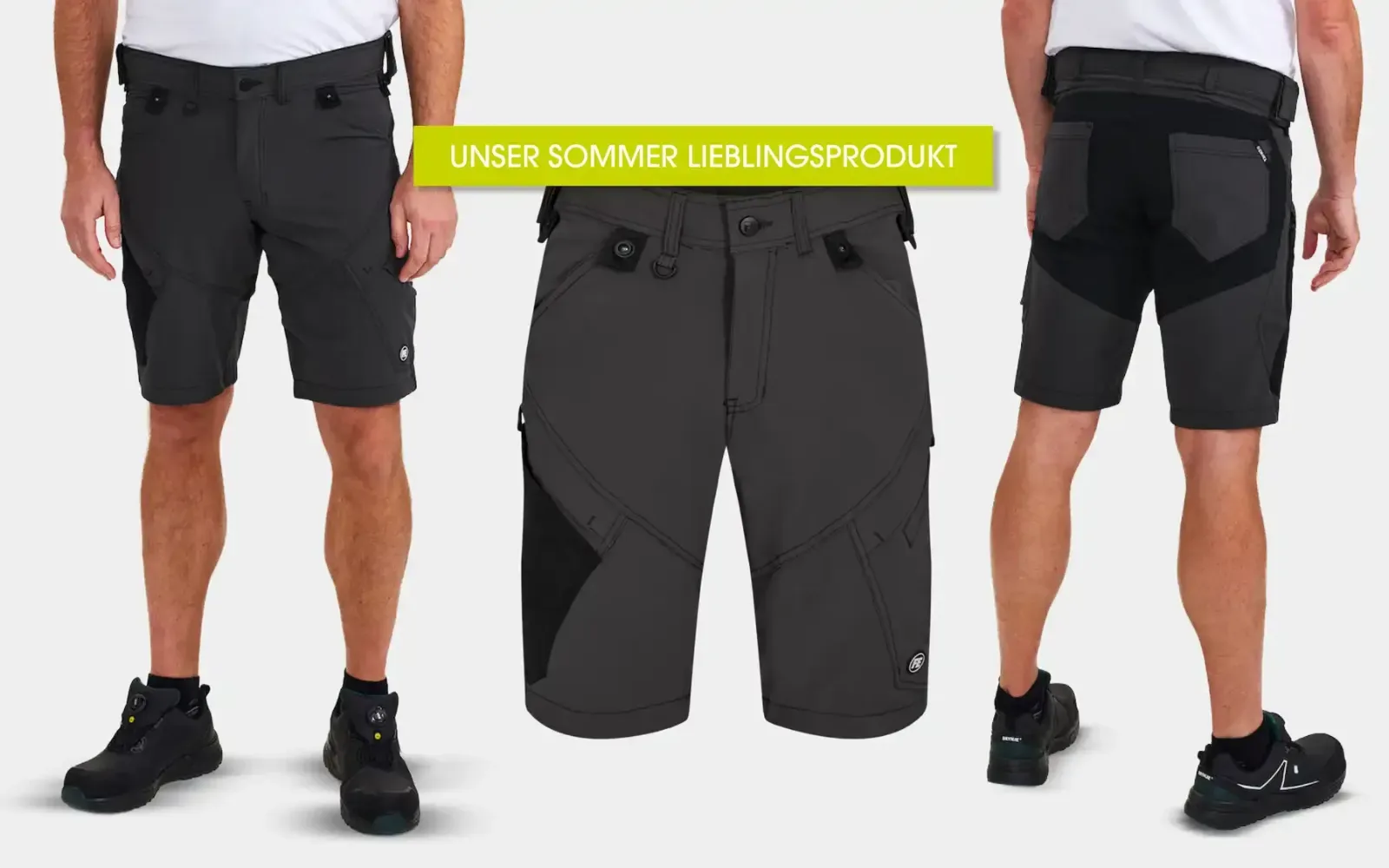
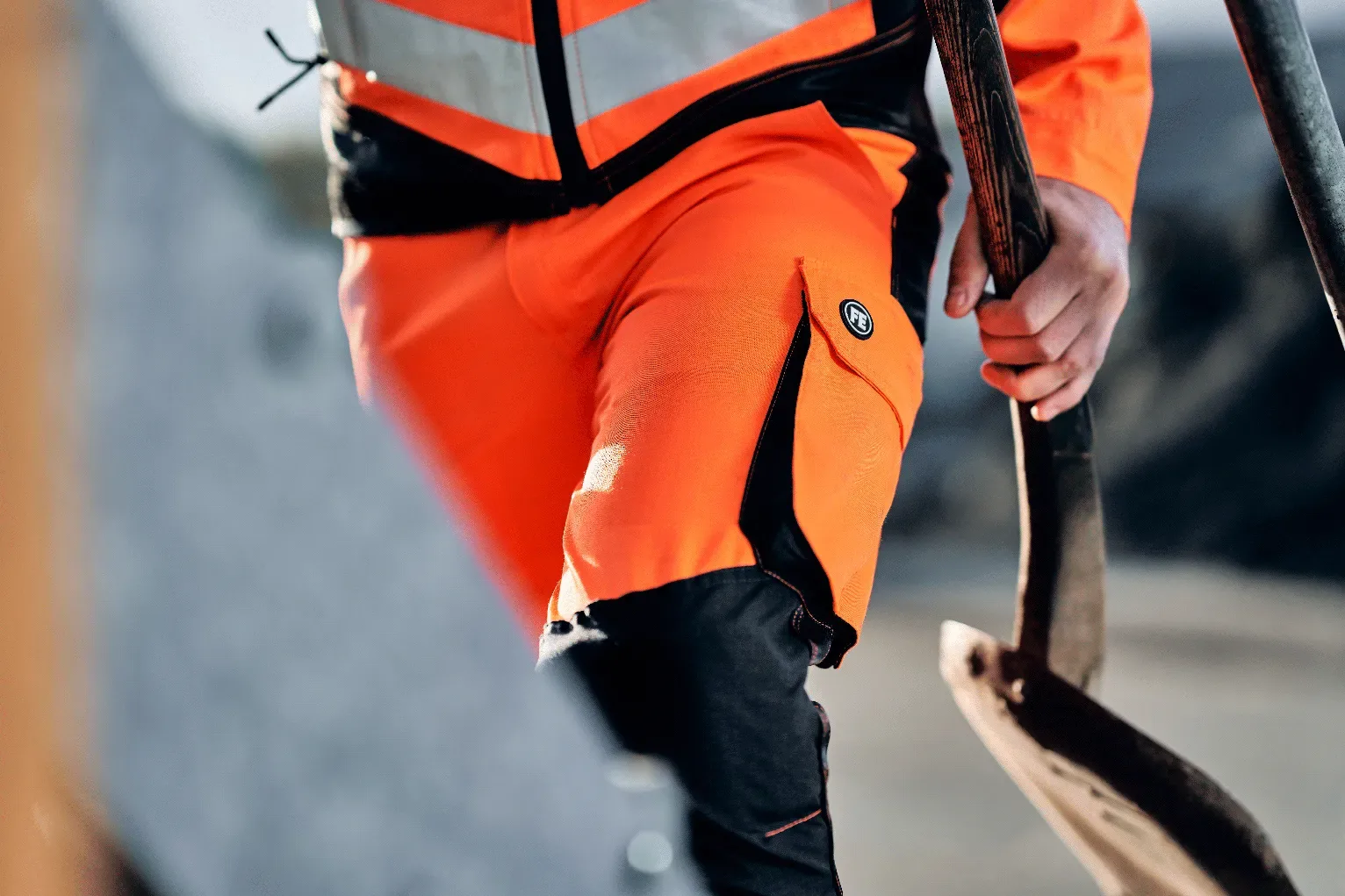
That’s why the best solution is often not “one pair of trousers for everything”, but a sensible set: lighter for the warm months, more rugged and warmer for the cold season. For summer, we’d like to introduce our favourite product: the X-Treme Stretch Shorts.
A consistent look for companies: worthwhile – as long as it stays practical
Especially when teams grow or shifts change, a consistent appearance becomes important. When choosing work trousers for employees, you therefore think not only about comfort, but also about availability and reordering.
Tip from practice
Opt for a few well-fitting models – but stick with them, with clear size lists and a plan for reorders. That keeps the look consistent, even when new colleagues join.
Work trousers with a logo: what really makes sense
If you want a visible brand impact, the combination is what counts: work trousers plus a top (shirt, polo, jacket) in the same look. For tops, Logo decoration is particularly straightforward – for example with DTF printing or embroidery, depending on the use.
Conclusion: the best work trousers are the ones you never want to take off
Whether work trousers for trades, construction, industry or logistics: what matters is fit, freedom of movement, the knee solution, sensible reinforcements and the right fabric weight for your day-to-day work.
If you’re looking for work trousers in South Tyrol that don’t just look good in the catalogue but perform on the job, it pays to choose a selection that really suits your team – instead of “one pair for everyone”. Any more questions? You’ll find answers in our FAQ.