

In brief
- Workwear that a business buys for work is usually a deductible business expense in Italy.
- If the business provides workwear for work under clear internal rules, it does not normally count as pay for employees.
- Personal protective equipment must be provided free of charge by the employer anyway.
- This article does not replace tax advice – please clarify your case with your accountant.
Workwear, protective equipment and branded clothing cost money – and the question of what is tax-deductible comes up in almost every consultation. Here is a first overview for businesses in South Tyrol. Important: we are outfitters, not tax advisers. Your accountant will clarify your specific case.
For the business: workwear as a business expense
If a business buys workwear used for work, in Italy this is usually a cost related to the business activity – and therefore a deductible expense. This applies to trousers, jackets and shirts as well as chef jackets, tunics or hotel uniforms.
- Workwear for everyday work – with or without logo
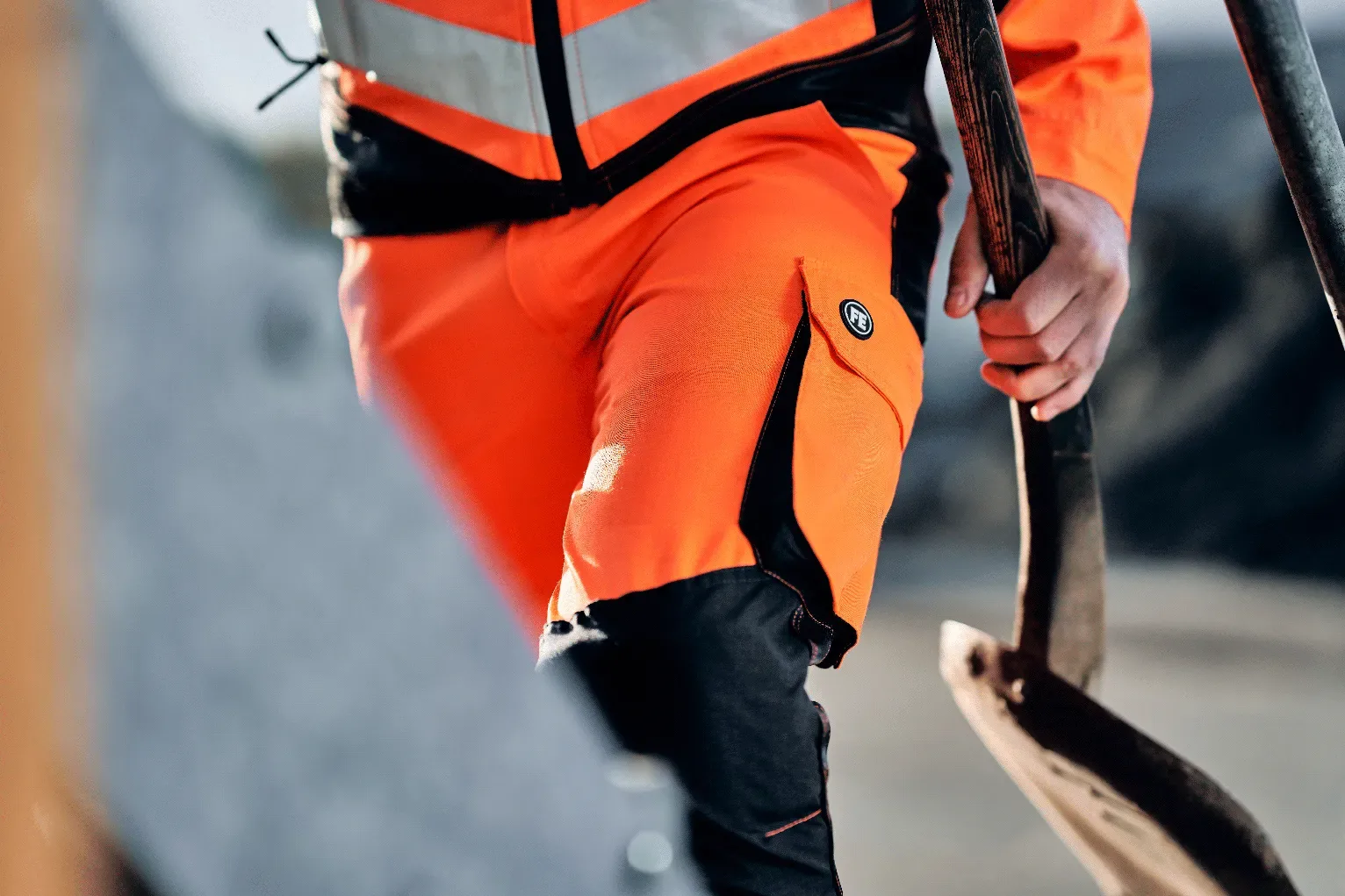
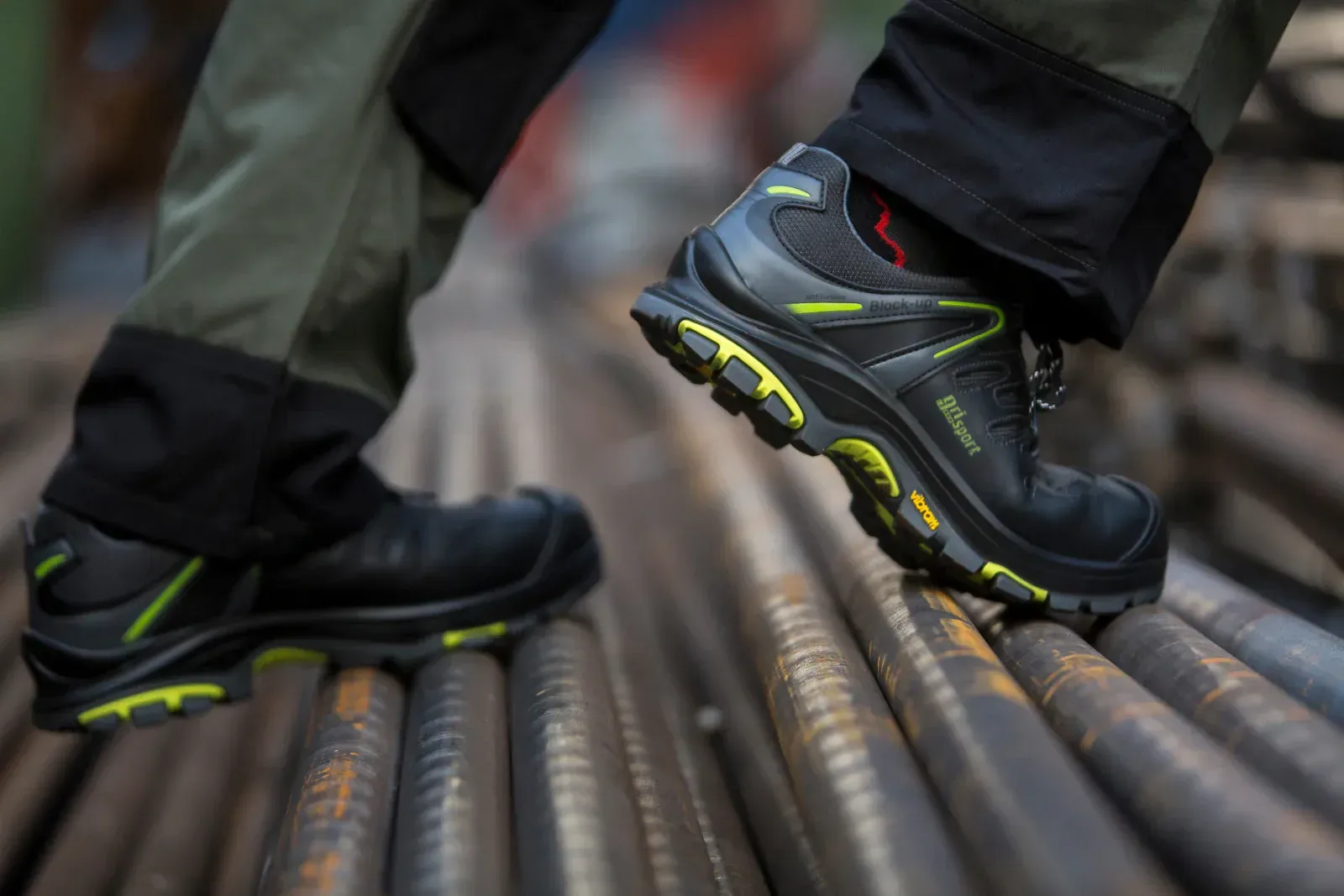
- Personal protective equipment such as safety shoes, high-vis clothing and gloves
- Decoration such as logo embroidery or print that is part of the workwear
A clear invoice with items, quantities and decoration helps with allocation – just like the one you get from us.
For employees: when is clothing a benefit in kind?
If the business provides employees with workwear for work – ideally under an internal policy on who gets which garments – it does not normally count as pay. It may be different if branded clothing is given away or mainly used privately: then a benefit in kind may arise.
- Workwear for workusually not pay for employees
- Gift or private usemay count as a benefit in kind – within the thresholds in force
- Money instead of clothinga clothing allowance usually counts as taxable pay
Practical tip
A short internal policy – who gets which garments, how often and for what – creates clarity for accounting, staff and reorders.
Protective equipment: the employer’s duty
Under Italy’s occupational safety law (Legislative Decree 81/2008), the employer must provide personal protective equipment free of charge. What is needed follows from the business’s risk assessment – for example Safety shoes of the right protection class or high-vis clothing.
For the self-employed and freelancers
The self-employed can also deduct clothing if it is clearly necessary for their work: protective clothing, chef jackets, tunics or a uniform company outfit. Everyday clothing, on the other hand, is usually not deductible – even if worn at work. Receipts and a clear link to the work are decisive.
How we support you
We put together your workwear by job and protection class, decorate it with your logo and document items and sizes – so reorders are easy and your accounts have clear records.